
Canada • Regional Dish • Snack
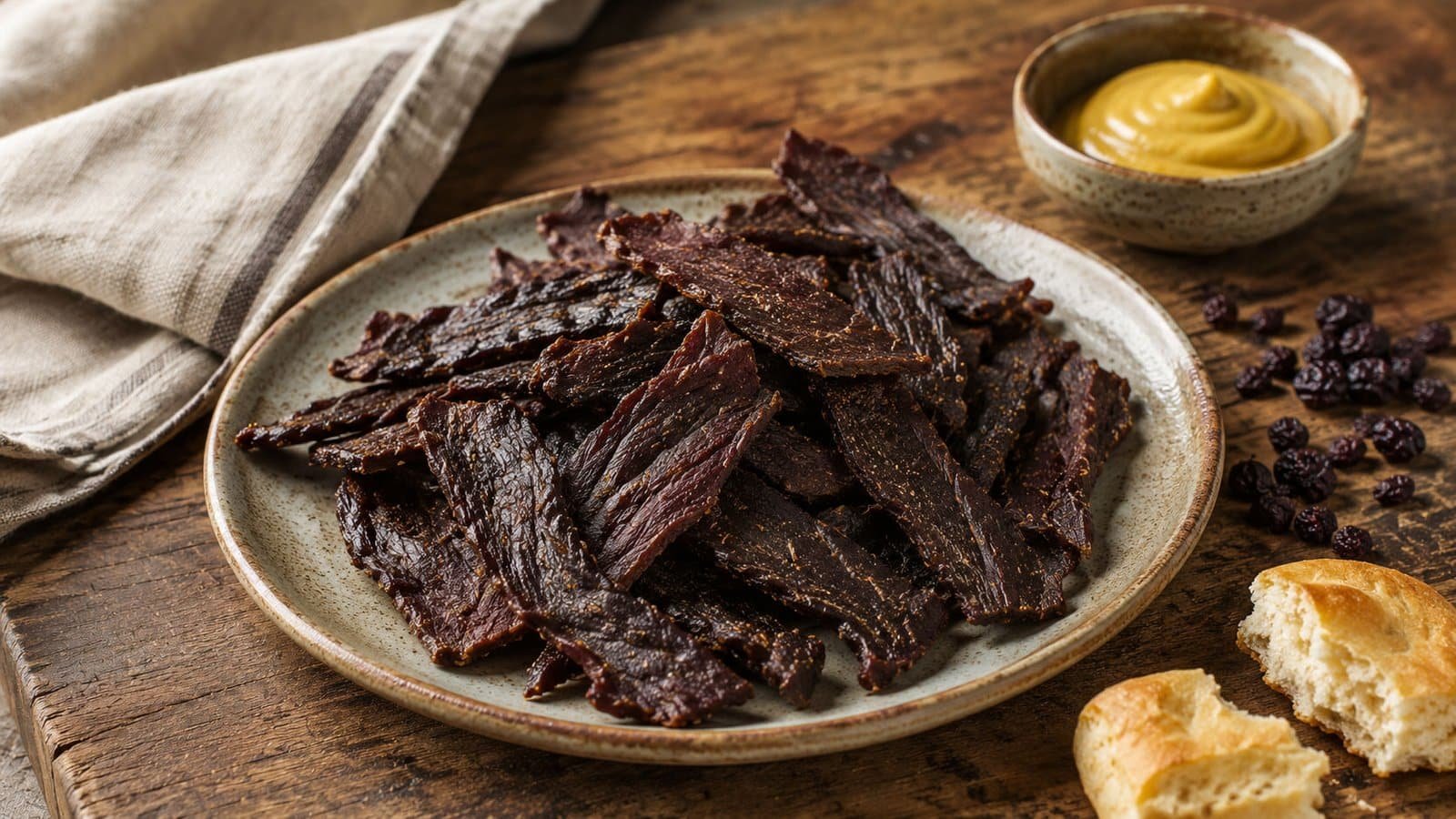
Homemade Beef Jerky
Lean beef marinates overnight, then dries slowly into savory Canadian Prairie jerky made for trails, road trips and snack attacks.
Instructions
- Place the beef in the freezer for 45 to 60 minutes. It should feel firm but not frozen solid, which makes thin slicing much easier.
- Trim away all visible fat and silverskin. Slice the beef into strips about 3 mm (1/8 inch) thick. Cut across the grain for tender jerky or with the grain for a chewier result.
- Whisk the Worcestershire sauce, soy sauce, salt, garlic powder, black pepper, onion powder and liquid smoke in a large nonreactive bowl.
- Add the beef and turn the strips until every piece is coated. Cover and refrigerate for 12 hours or overnight.
- Remove the beef from the refrigerator. Pour the meat and marinade into a wide saucepan and bring it slowly to a simmer over medium heat.
- Simmer the strips until the beef reaches 71 C (160 F). This heating step reduces the food-safety risks that low-temperature drying alone may not eliminate.
- Heat the oven to its lowest setting, ideally about 75 C (170 F). Line two rimmed baking sheets with foil and place wire racks over them.
- Drain the beef well and blot away excess marinade with paper towels. Arrange the strips on the racks in a single layer without overlapping.
- Dry for 4 to 6 hours, turning the strips halfway through. Follow the oven manufacturer’s guidance before leaving the door slightly open for ventilation.
- Test a cooled strip. Properly dried jerky should bend and crack along the surface without snapping cleanly or releasing moisture. Cool completely, refrigerate in a sealed container and eat within one week, or freeze for longer storage.
Cultural Context
Drying meat is much older than the modern snack called jerky. Across the Prairies, First Nations peoples preserved bison by drying it, sometimes eating the dried meat as it was and sometimes pounding it with fat to make pemmican. Parks Canada presents this beef version as a modern adaptation connected to Fort Battleford, Saskatchewan, where mounted police and travelers likely carried dried bison or beef on long journeys. Jerky and pemmican aren’t the same food, but both reflect the practical value of lightweight, concentrated meat that could travel farther than a fresh roast ever dreamed of going.
Fun Fact
Homemade beef jerky may be one of history’s most honest recipe names. It’s beef, made at home, dried into jerky. No branding committee required. The older idea is equally direct: remove moisture, reduce weight and make valuable meat easier to carry when the next refrigerator is several generations away.
Cook’s Tip
Bison is the most historically connected substitute and can replace the beef directly. Venison also works, but use meat that has been commercially processed or handled in accordance with local wild-game safety guidelines. Choose a very lean cut and trim away visible fat because fat shortens storage life. Low-sodium soy sauce reduces saltiness, while tamari makes the marinade gluten-free if the Worcestershire sauce is also certified gluten-free. Skip liquid smoke for a cleaner flavor. Slice with the grain for chewier jerky, or across the grain for a more tender bite. Keep the meat refrigerated while marinating.
Trivia
Parks Canada links its recipe to Fort Battleford and suggests the Royal Canadian Mounted Police may have packed bison or beef jerky for long rides. Portable protein was useful before convenience stores began selling it beside lottery tickets and fluorescent energy drinks.
More Canada Recipes
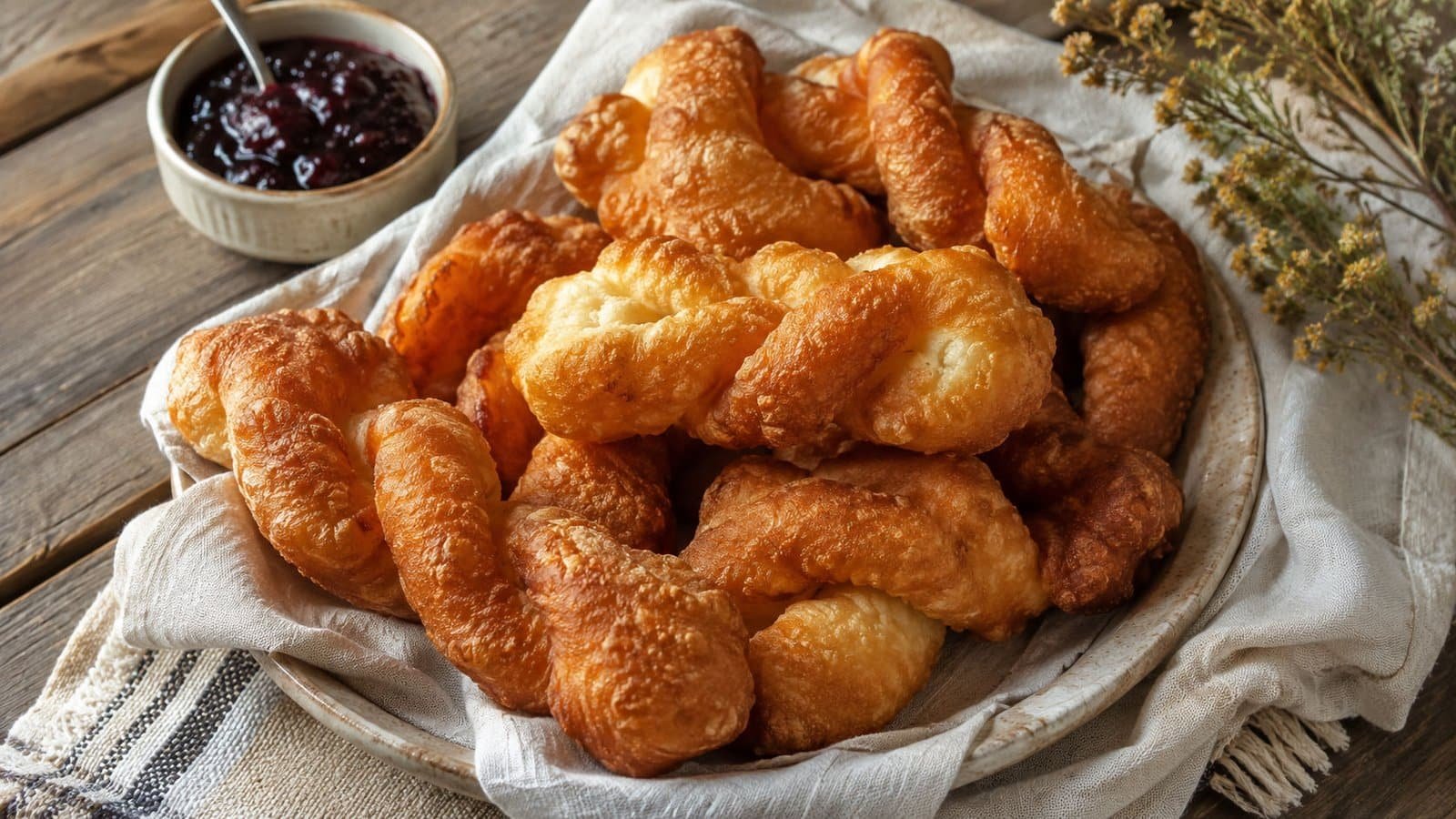
Grandma’s Bangs: Métis Fried Bread
Twisted, golden and made for sharing, Grandma’s Bangs are traditional Métis fried breads served at holidays and family gatherings
View Recipe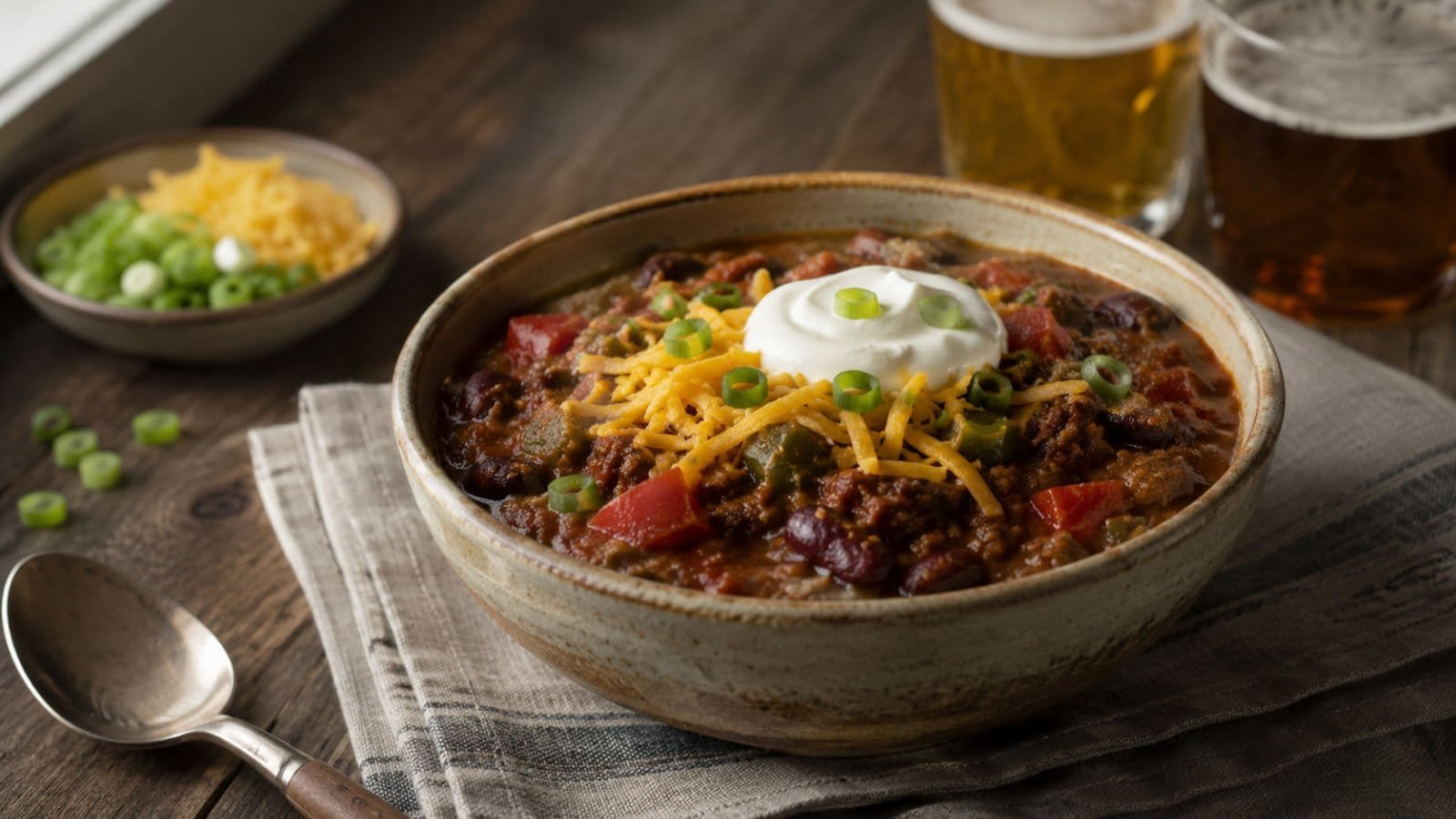
Alberta Bison Chili
Alberta bison chili brings lean prairie bison, beans, tomatoes and smoky spices together in one big, cold-weather pot.
View Recipe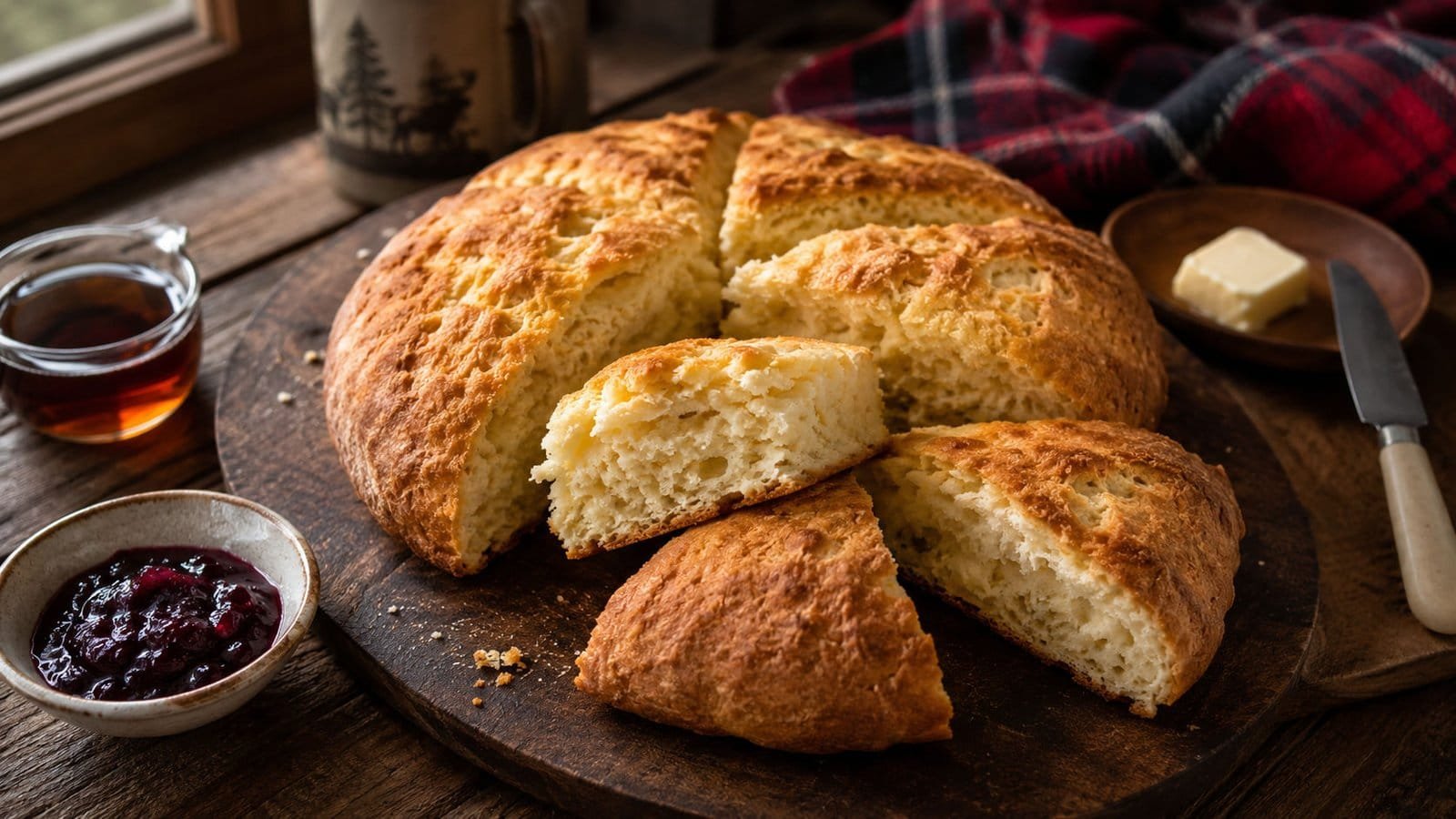
Canadian Bannock
A simple Canadian quick bread with a golden crust, tender crumb and deep roots in everyday home cooking.
View Recipe