
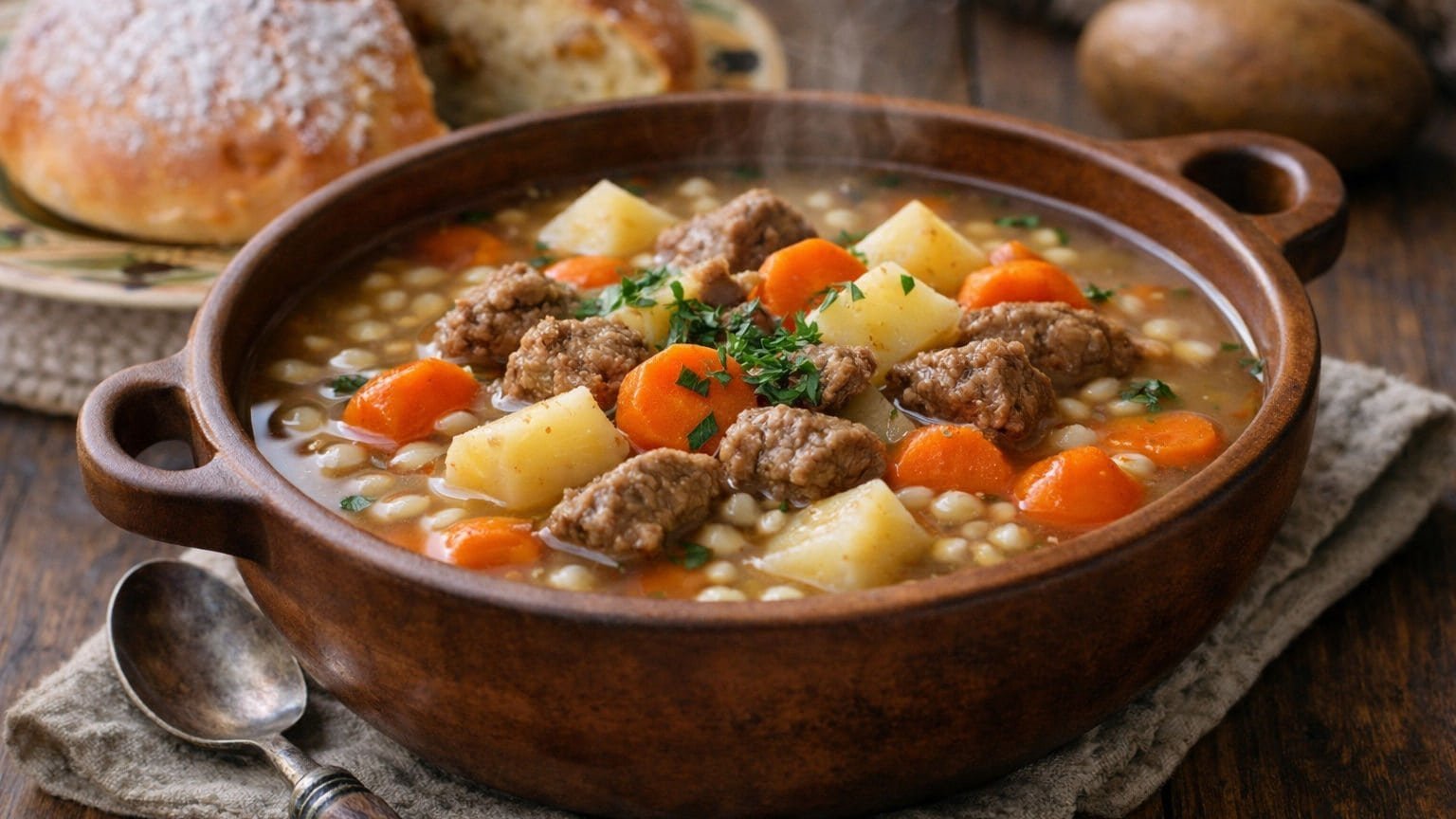
Greenland • National Dish • Stew
Greenlandic Suaasat
A clean, hearty Greenlandic soup with lamb, rice, potatoes, and a lightly thickened broth.
Instructions
- Place the lamb, water, and onion in a large pot. Bring slowly to a boil over medium heat, skimming off any foam as it rises.
- Add the bay leaves, reduce the heat, and simmer gently, partially covered, for 45 minutes, until the meat begins to turn tender. Keep the broth at a quiet simmer, not a rolling boil.
- Stir in the rice and cook for 10 minutes, stirring once or twice to prevent it from sticking to the bottom.
- Add the potatoes and continue simmering for 15 to 20 minutes until the rice is soft, the potatoes are tender, and the lamb yields easily to a spoon.
- Season with the salt and black pepper. Taste the broth and adjust lightly. The soup should stay clean, meaty, and straightforward rather than heavily seasoned.
- Remove the bay leaves. Rest the soup for 3 minutes, then ladle it into warm bowls, evenly dividing broth, meat, rice, and potatoes.
Cultural Context
Suaasat has quiet confidence because it doesn’t need to show off. Widely described as Greenland’s national soup, it keeps things direct: simmer meat in water, add a little starch, make it nourishing and don’t fuss. In a cold place, that’s not minimalism. That’s survival with a spoon.
Older versions often use seal, while newer descriptions include whale, reindeer, seabirds, lamb and sometimes barley instead of rice. The variations make sense. Greenlandic cooking follows what’s available, practical and worth putting in the pot.
Fun Fact
Traditionally made with seal or whale, modern versions often use beef or lamb.
Cook’s Tip
Traditional Suaasat is widely associated with seal meat, but modern versions may also use whale, reindeer, seabirds or, more practically for many home cooks, beef. Rice is common, though some current descriptions note barley can also appear. This version uses lamb because it is accessible and aligns with modern Greenlandic home adaptations.
Trivia
Vertical Arctic farms use hydroponics and 100% renewable energy to grow fresh herbs like dill and basil year-round, despite the permafrost.
More Greenland Recipes

Kalaallit Kaagiat – Greenlandic Cake
Simple fried dough cakes puff and brown quickly for a crisp shell, soft centre, and lightly sweet finish.
View Recipe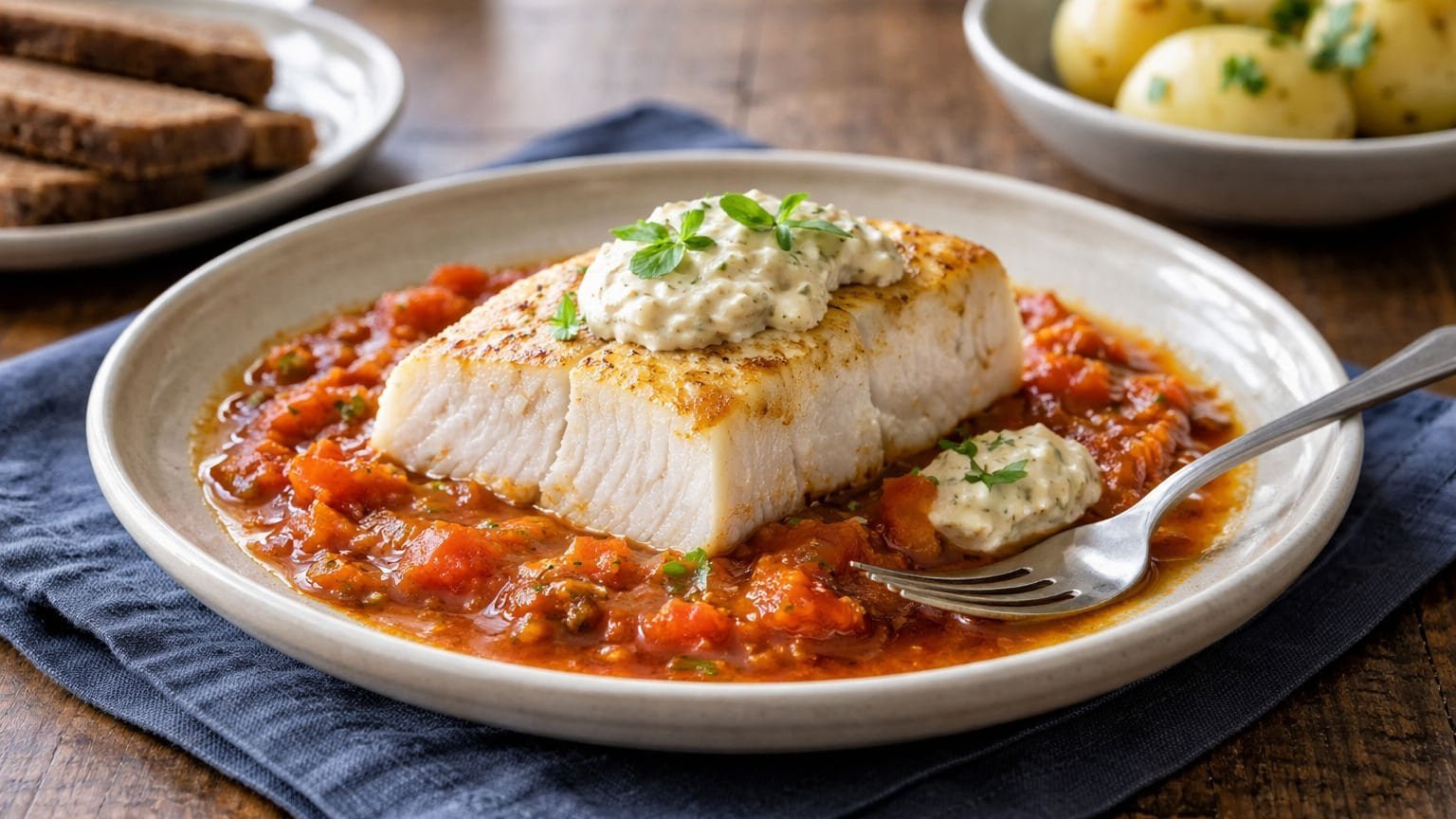
Greenlandic Halibut
Broil firm halibut and serve it over a quick tomato sauce with a spoonful of mustard cream for a clean, lightly rich finish.
View Recipe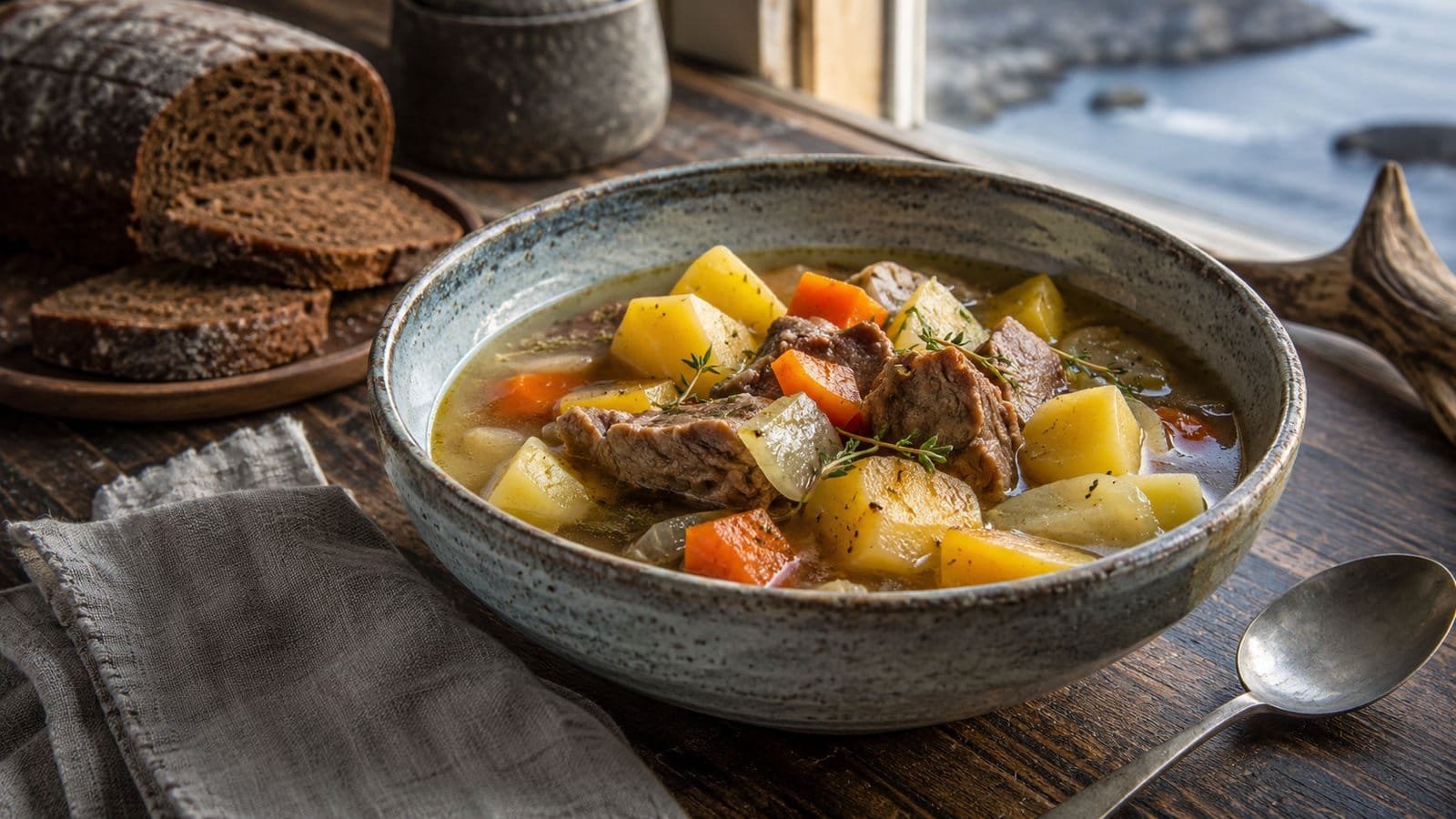
Greenlandic Kuanit Lamb Stew with Potatoes
South Greenlandic lamb, potatoes and root vegetables simmer slowly into a clear, hearty stew with clean flavor and serious warmth.
View Recipe