
South Korea • Regional Dish • Side Dish
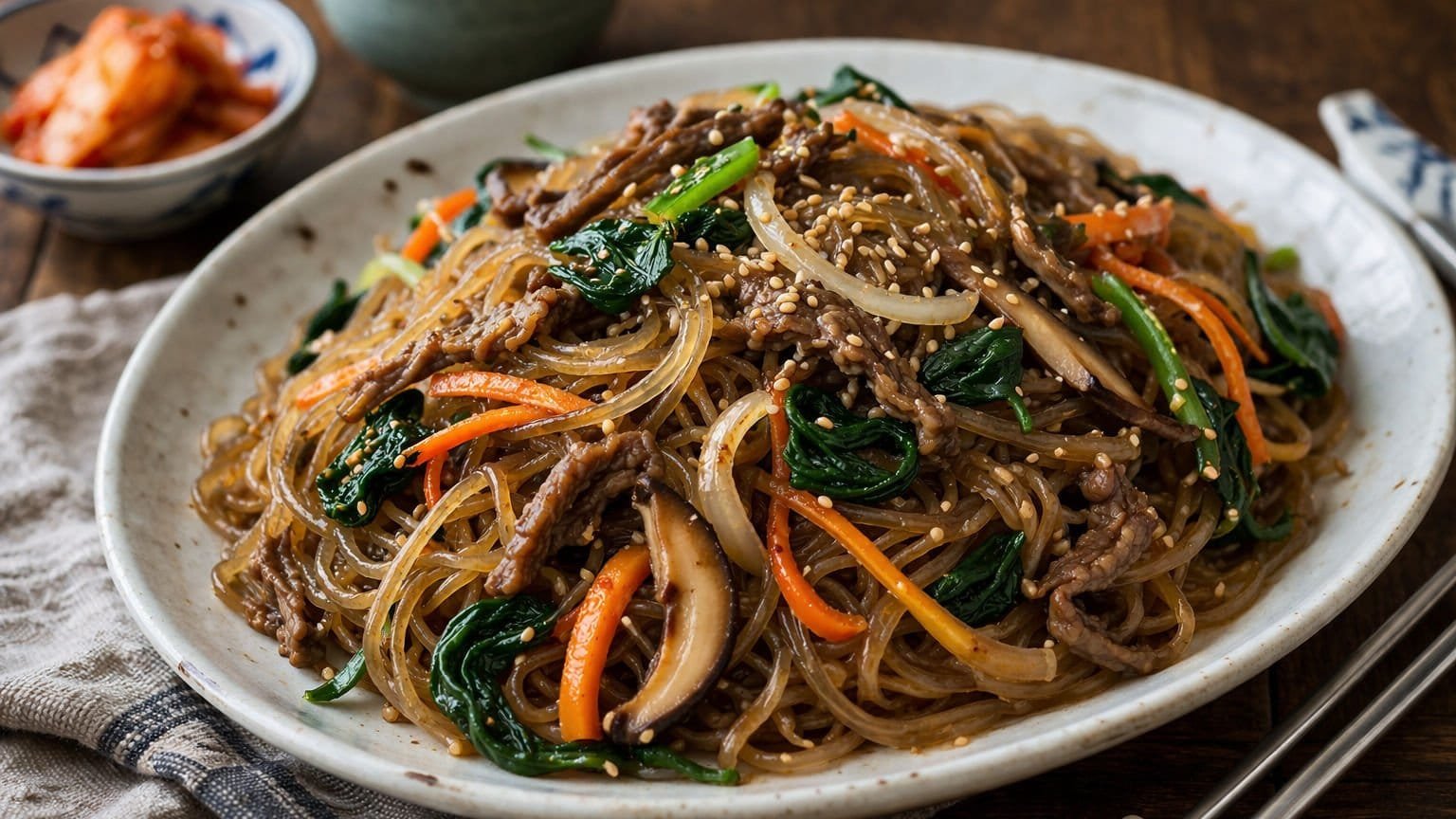
Japchae (Korean Glass Noodle Stirfry)
Japchae is Korea's glossy noodle classic: chewy sweet potato noodles tossed with beef, vegetables, soy sauce, and sesame.
Instructions
- Soak the noodles in warm water for 20 to 30 minutes if your brand benefits from soaking first. If not, cook them according to the package directions until chewy-tender, then drain well.
- Mix the beef with 1 tablespoon soy sauce, 1 teaspoon sugar, 1 teaspoon sesame oil, and 1 grated garlic clove. Set aside while you prep the vegetables.
- Blanch the spinach for about 30 seconds in boiling water. Rinse under cold water, squeeze out the excess moisture, and roughly chop.
- Heat 1 teaspoon neutral oil in a large skillet over medium-high heat. Cook the carrot for 1 to 2 minutes until just tender-crisp. Transfer to a plate.
- Add another 1 teaspoon oil and cook the onion for 1 to 2 minutes until softened but not browned. Transfer to the plate.
- Add another 1 teaspoon oil and cook the mushrooms for 2 to 3 minutes until softened. Transfer to the plate.
- Add the remaining oil if needed, then cook the beef for 2 to 3 minutes until just browned and cooked through.
- If the noodles are very long, snip them a few times with kitchen scissors. Add them to the skillet with the beef.
- Add the spinach, carrot, onion, mushrooms, and green onions. Stir in 3 tablespoons soy sauce, 1 tablespoon sugar, 1 tablespoon sesame oil, 1 tablespoon sesame seeds, 1 grated garlic clove, and the black pepper.
- Toss everything over medium heat for 2 to 3 minutes until evenly coated and glossy. Taste and adjust with a little more soy sauce if needed.
- Serve warm or at room temperature.
Cultural Context
Japchae looks fancy enough for a celebration, but the method is mostly about handling each part with a little care. The noodles stay chewy, the vegetables keep their color, and the soy-sesame seasoning ties the whole thing together. Our version keeps the traditional flavor profile and structure, while simplifying the process for a home cook who wants the real thing without a minor kitchen summit meeting.
Fun Fact
Japchae was originally associated with Korean royal court cooking centuries ago, and notably, early versions did not even include the sweet potato starch noodles that now define the dish. The noodles came later and completely stole the show.
Cook’s Tip
Use dangmyeon if you can. These Korean sweet potato starch noodles are the classic choice for japchae. A small amount of beef is traditional, but pork works too, and a meatless version is common in home kitchens. Cook the vegetables separately if you want the cleanest color and texture. It takes a few extra minutes, but japchae likes a little discipline. Do not overcook the noodles. They should stay springy and glossy, not slump into sadness. Japchae is often served at room temperature, so it is a good make-ahead dish for gatherings.
Trivia
Dangmyeon are made from sweet potato starch, not wheat, which is why japchae has that signature chewy, glossy bite that feels different from almost every other noodle stirfry.
More South Korea Recipes
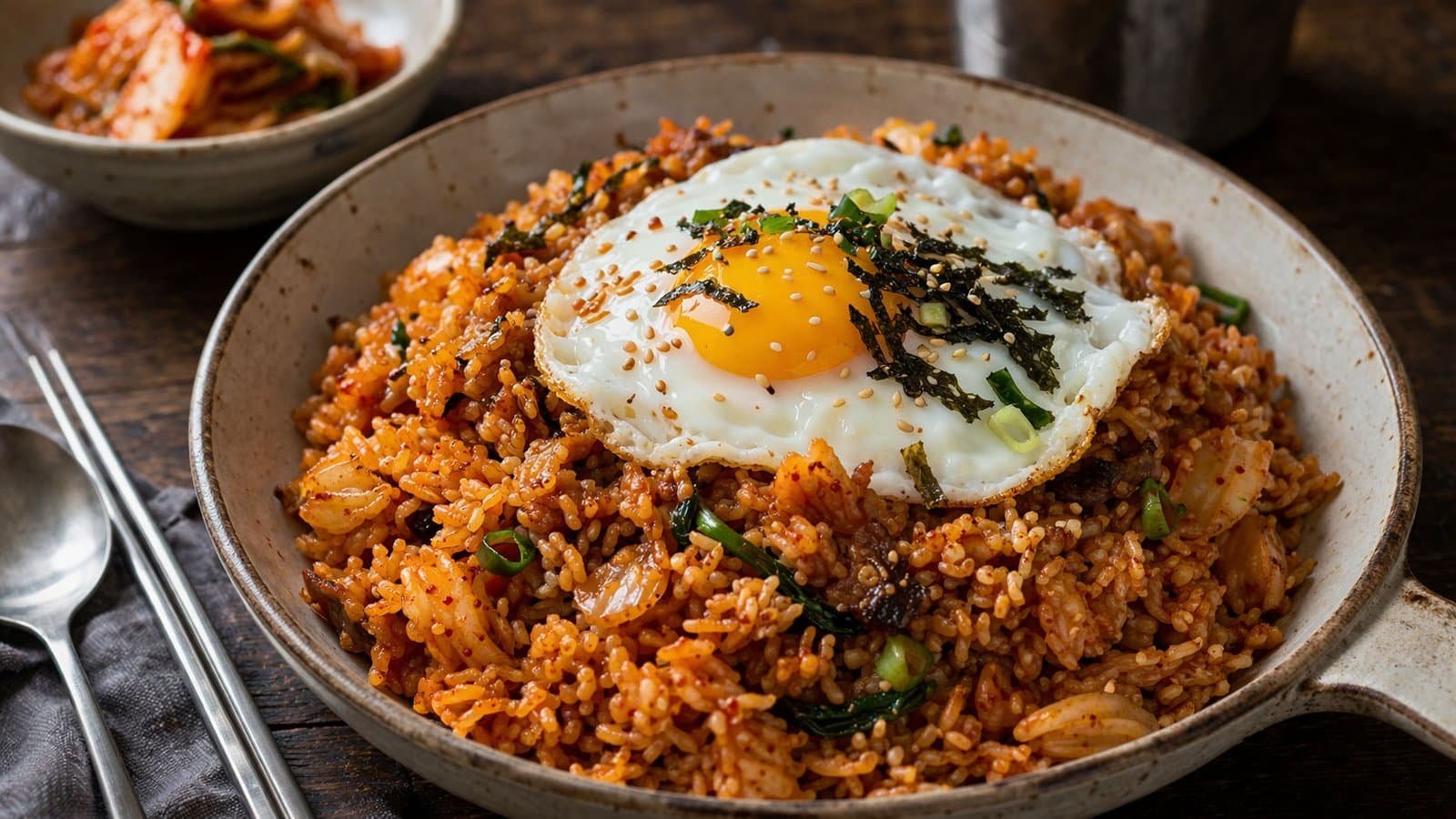
Kimchi Fried Rice
Kimchi fried rice is Korea's ultimate leftover upgrade: bold, spicy, savory rice with crispy edges and a fried egg on top.
View Recipe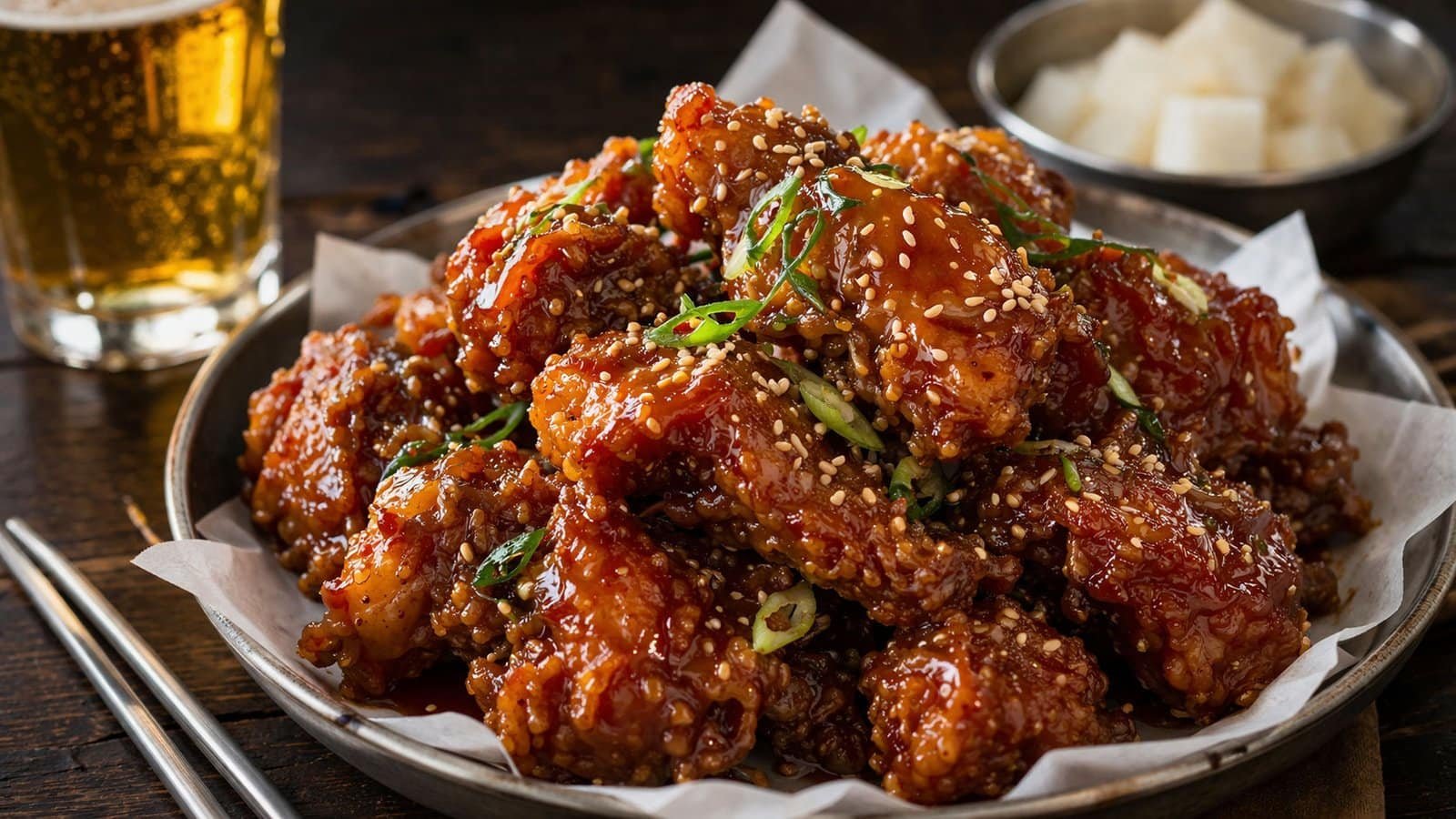
Korean Fried Chicken (Yangnyeom Chicken)
Yangnyeom chicken is Korean fried chicken at its most addictive: crackly, juicy, and coated in a glossy sweet-spicy sauce.
View Recipe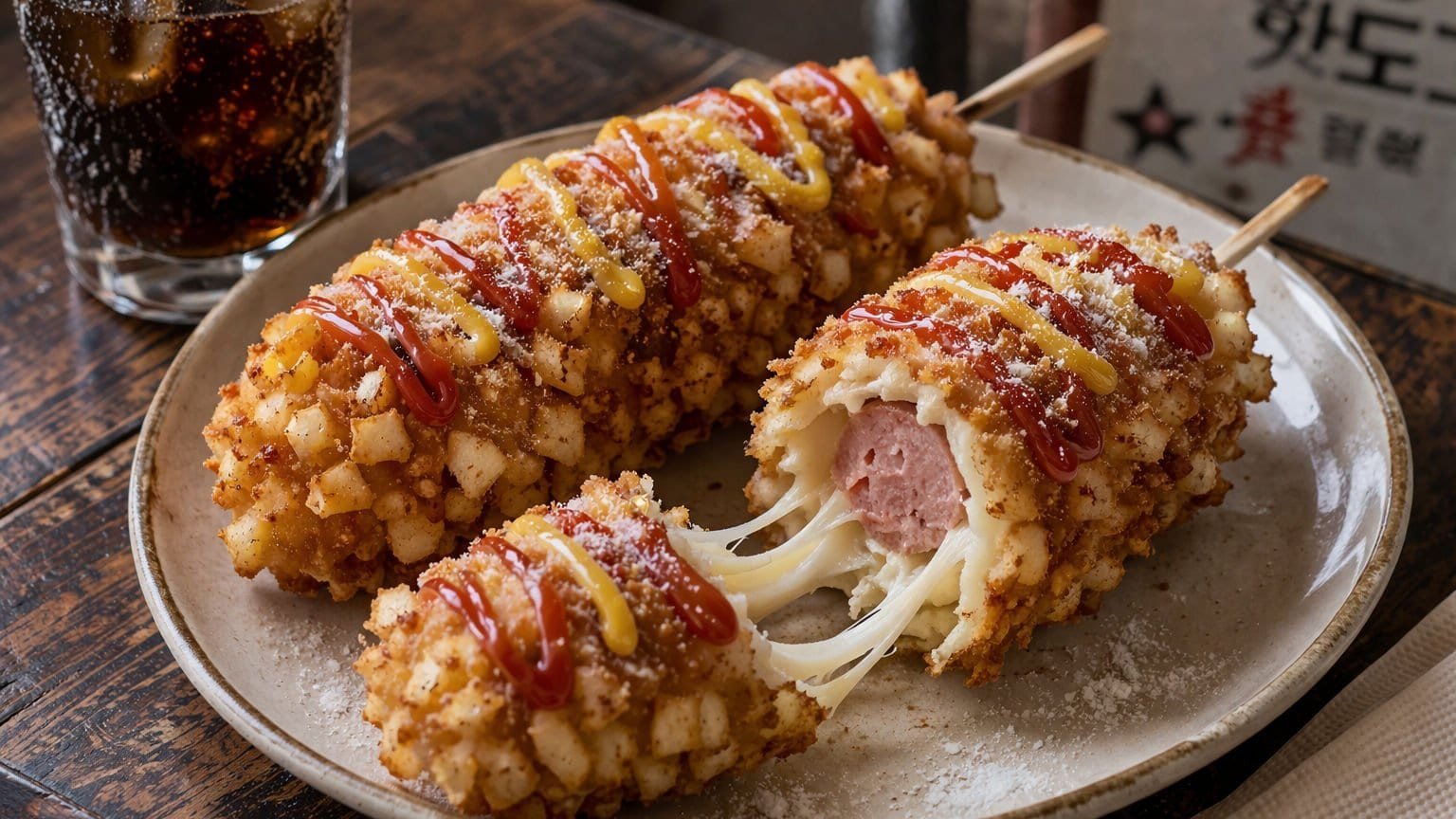
Korean Corn Dogs (Gamja Hot Dog)
Korean gamja hot dogs are crispy, chewy, potato-crusted street snacks with a sweet-savory finish and real main-character energy.
View Recipe