
South Korea • Regional Dish • Main Course
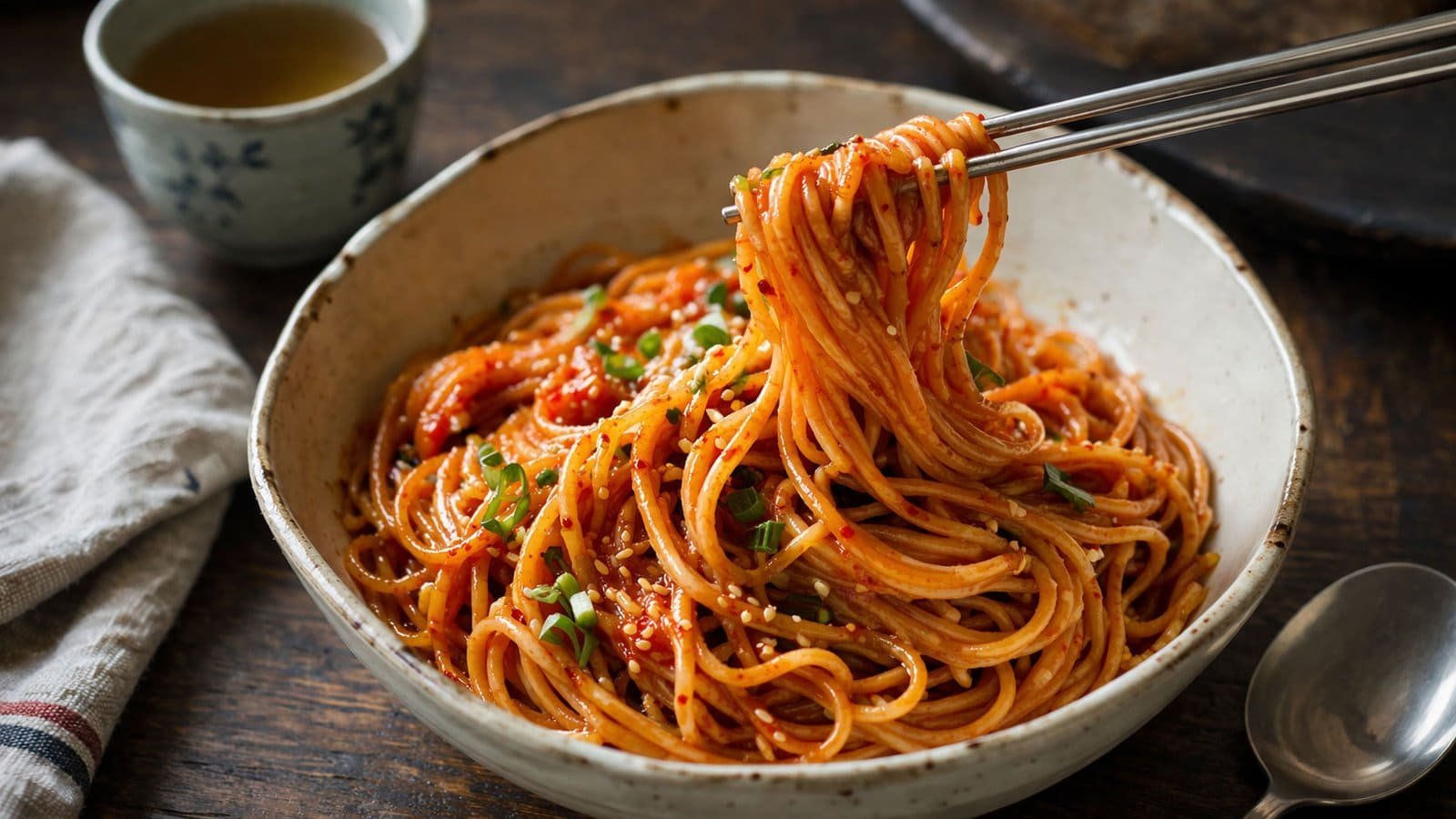
Korean Gochujang Buttered Noodles
These Korean-inspired gochujang buttered noodles are quick, glossy, spicy, and built for nights when dinner needs to move faster than your patience.
Instructions
- Bring a pot of salted water to a boil. Cook the noodles until just tender, following the package directions. Reserve about 1/2 cup of the cooking water, then drain.
- While the noodles cook, melt the butter in a large skillet over low to medium-low heat. Add the garlic and cook for about 30 seconds, just until fragrant. Do not let it brown.
- Stir in the gochujang, soy sauce, honey, rice vinegar, and 2 tablespoons of the reserved noodle water. Mix until smooth and glossy.
- Add the drained noodles to the skillet and toss well to coat. Add a little more noodle water if needed so the sauce loosens and clings, rather than thickening and becoming grumpy.
- Stir in the toasted sesame oil. Taste and adjust as needed with a little more soy sauce for salt, honey for balance, or vinegar for brightness.
- Divide into bowls. Top with green onions and sesame seeds. Add a soft-boiled egg and cucumber if using. Serve right away.
Cultural Context
Gochujang is one of the core flavor foundations of Korean cooking. It is a fermented red chili paste that brings heat, savoriness, gentle sweetness, and depth to everything from bibimbap to stews and spicy noodle dishes. Korean noodle dishes made with gochujang are often mixed with ingredients such as soy sauce, sesame oil, sweetener, and sometimes vinegar to balance the heat, especially in bibim-style preparations. This buttery version is more modern and Korean-inspired than strictly traditional, but its flavor logic still grows out of familiar Korean pantry building blocks.
Fun Fact
A little gochujang goes a long way because it is not just spicy. It also brings fermented depth and body, which is why a spoonful can make a quick noodle sauce taste like it had a much more ambitious childhood.
Cook’s Tip
Use fresh ramen-style wheat noodles, udon, or somyeon if you prefer, but adjust the cooking time accordingly. Gochujang brands vary in heat, salt, and sweetness, so taste the sauce before serving. A small splash of noodle water helps the sauce coat the noodles evenly and keeps it silky. For a richer finish, add another 1 teaspoon butter at the end. For extra protein, top with a fried egg, sliced grilled chicken, or sautéed tofu. This dish is Korean-inspired rather than a classic traditional noodle category, so it is best treated as a fast pantry meal built around gochujang.
Trivia
Many of Korea’s best-known spicy noodle dishes are cold mixed noodles, not hot buttery ones. So this recipe borrows its flavor backbone from Korean tradition while taking a modern pantry-detour on purpose.
More South Korea Recipes
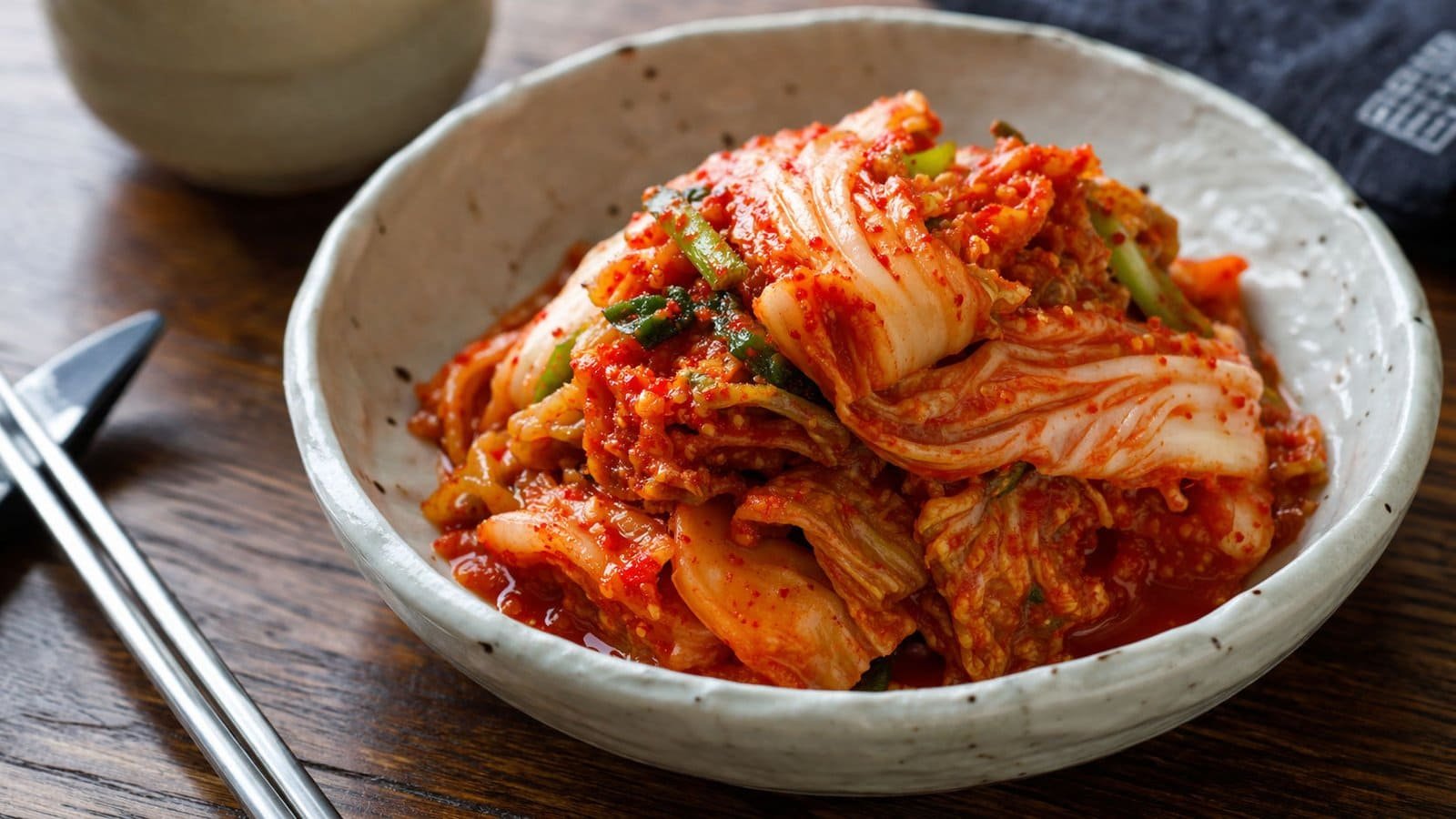
Kimchi (Tongbaechu-kimchi)
This classic South Korean kimchi recipe keeps the flavor authentic while making the process manageable for home cooks.
View Recipe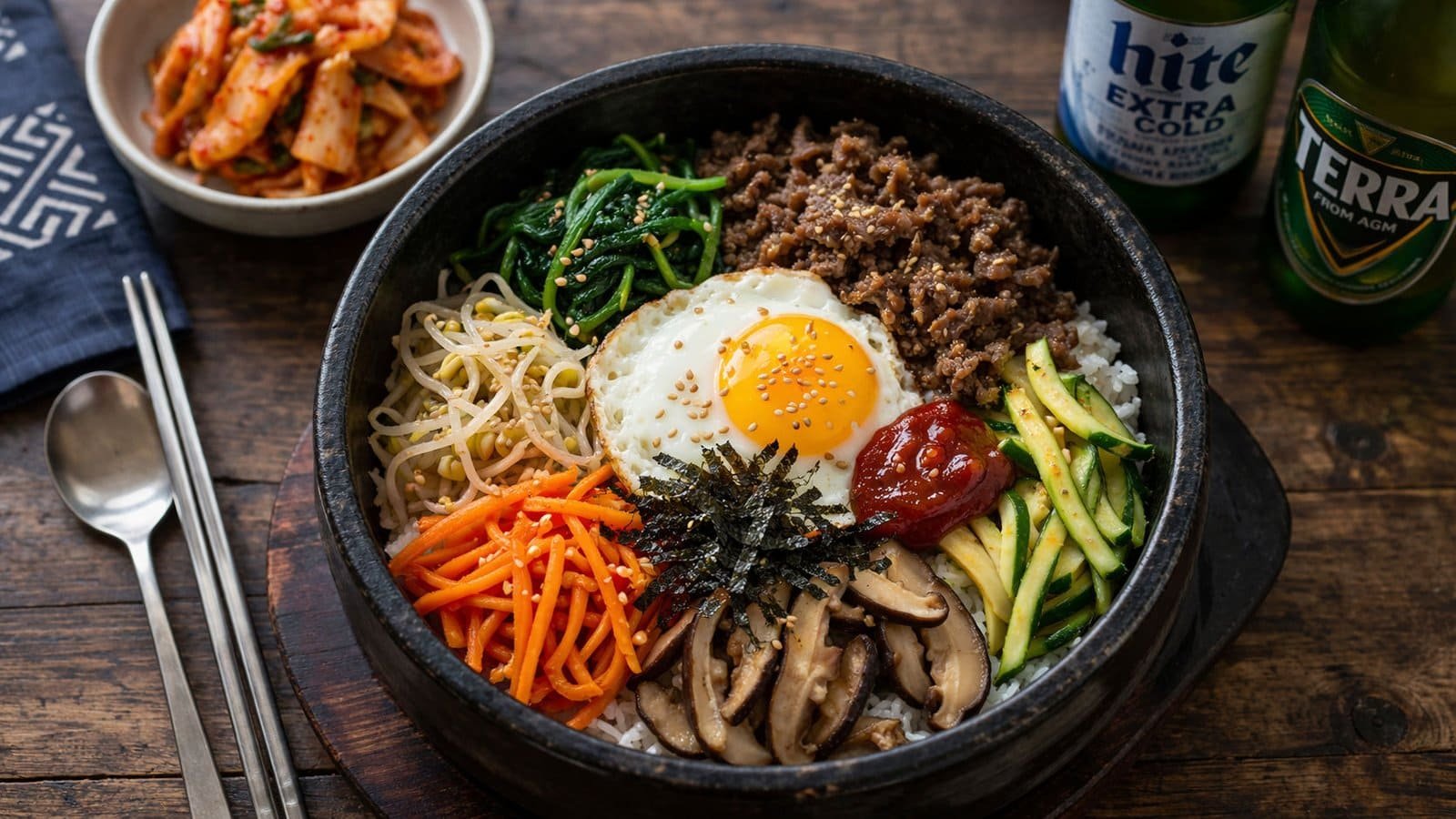
Bibimbap (Korean Mixed Rice With Meat)
Bibimbap is Korea’s great mixed bowl: warm rice, seasoned vegetables, beef, egg, and gochujang brought together in one very smart meal.
View Recipe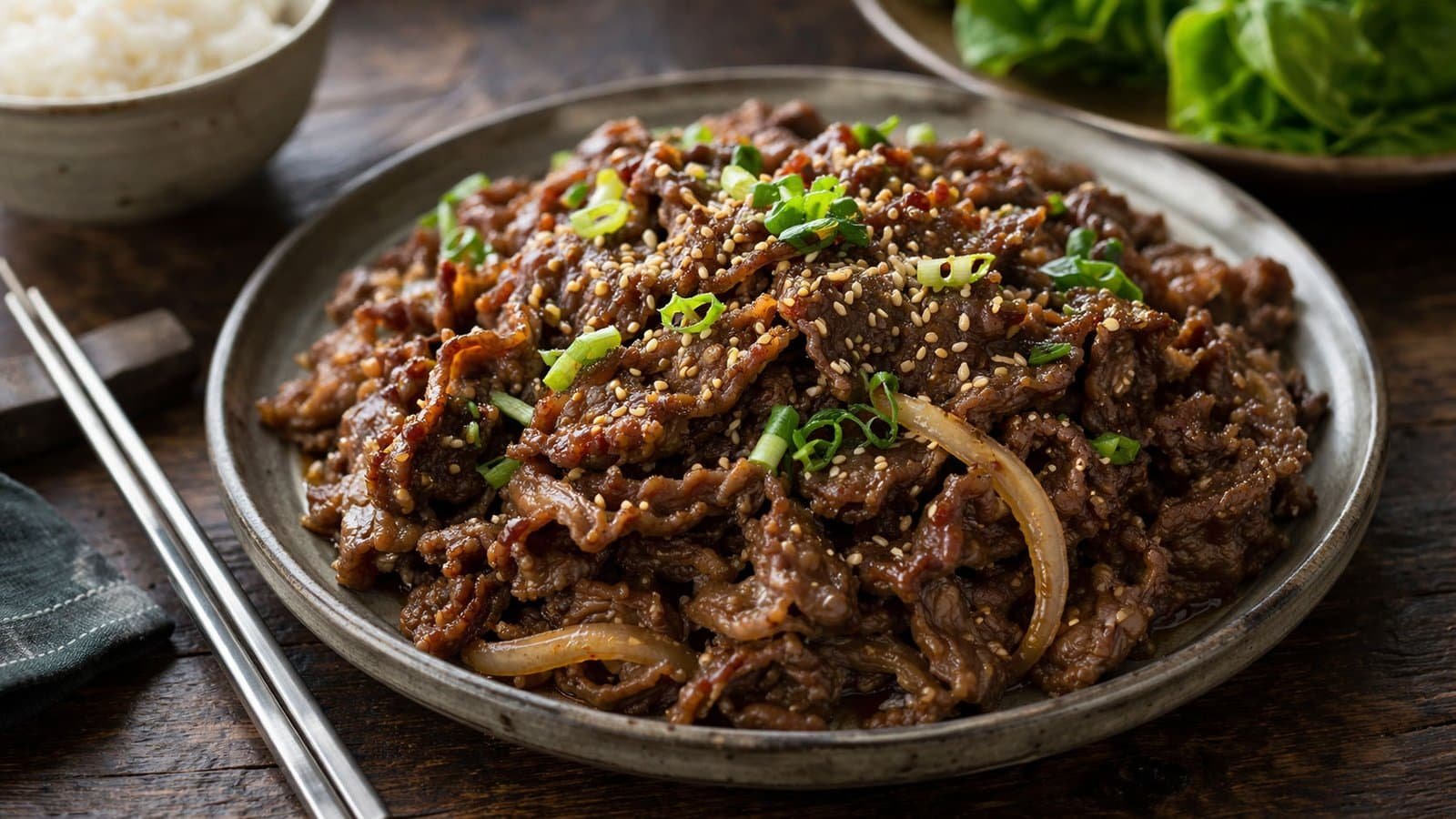
Korean Beef Bulgogi
Korean beef bulgogi is one of the great quick-payoff dinners: thin slices of marinated beef cooked fast and eaten even faster.
View Recipe