
South Korea • Regional Dish • Main Course
Samgyeopsal (Korean BBQ Pork Belly)
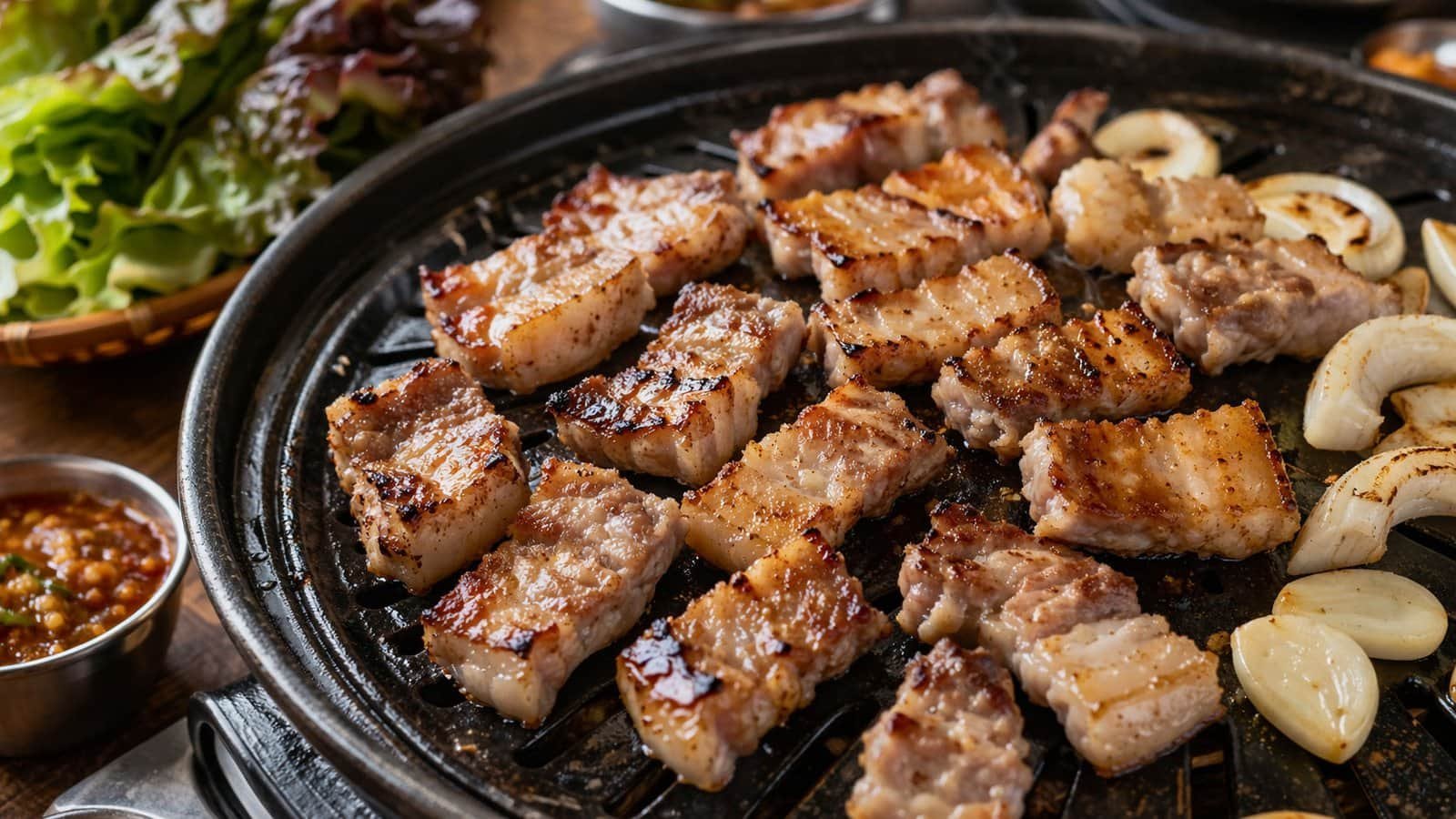
Samgyeopsal is Korean barbecue at its simplest and best: crisp-edged pork belly wrapped in lettuce with ssamjang and sharp green onion salad.
Instructions
- Make the ssamjang. In a small bowl, mix the doenjang, gochujang, garlic, green onion, sugar, sesame oil, and sesame seeds until combined. Set aside.
- Make the green onion salad. Rinse the sliced green onions in cold water, then drain well. Toss them with the soy sauce, gochugaru, sugar, sesame oil, and sesame seeds. Set aside.
- Prep the pork belly. If the slices are long, cut them into shorter bite-size pieces so they are easier to grill and wrap.
- Heat a grill pan, heavy skillet, or tabletop grill over medium-high heat. If you are using a skillet, brush it lightly with the neutral oil.
- Add the pork belly in a single layer. Cook for 3 to 4 minutes per side, turning as needed, until the fat renders and the edges turn golden and lightly crisp.
- Add the onion slices and garlic to the pan during the last few minutes so they soften and lightly brown in the pork fat.
- Transfer the cooked pork to a plate and serve right away with the lettuce, perilla leaves if using, ssamjang, green onion salad, chili peppers if using, and the cooked onion and garlic.
- To eat, place a piece of lettuce in your hand, add a perilla leaf if using, then top with pork belly, a little ssamjang, some green onion salad, and any garlic or chili you like. Fold and eat in one bite.
Cultural Context
Samgyeopsal-gui is one of Korea’s most popular barbecue dishes, cooked and eaten right at the table, which is part of what makes it feel so social and relaxed. Traditional versions center on fresh pork belly grilled until lightly crisp, then wrapped in lettuce or perilla leaves with ssamjang, garlic, and green onion salad. It is less about sauce-heavy meat and more about building a balanced bite around the pork.
Fun Fact
One of the classic ways to eat samgyeopsal is as a ssam, or wrap, and the usual advice is to make it small enough to eat in one bite. That's not just for style points. It keeps the whole thing from exploding in your hand like a delicious structural failure.
Cook’s Tip
Use thick-cut pork belly for juicier, meatier bites. Use thinner slices for faster cooking and crisper edges. Perilla leaves are traditional in many Korean BBQ meals, but lettuce alone works well. Fresh pork belly is the classic choice here. This is not a marinated dish like bulgogi, so the flavor comes from the pork, the grill, and the wraps. A tabletop grill feels fun, but a cast-iron skillet gets the job done just fine. No need to summon a restaurant into your kitchen. Cook in batches if the pan gets crowded. Pork belly needs room to brown, not steam in its own life choices.
Trivia
Traditional samgyeopsal spreads often include lettuce, perilla leaves, raw garlic, green chili peppers, onion, ssamjang, and green onion salad alongside the pork, which is why the meal feels bigger than “just grilled meat.”
More South Korea Recipes
Korean Gochujang Buttered Noodles
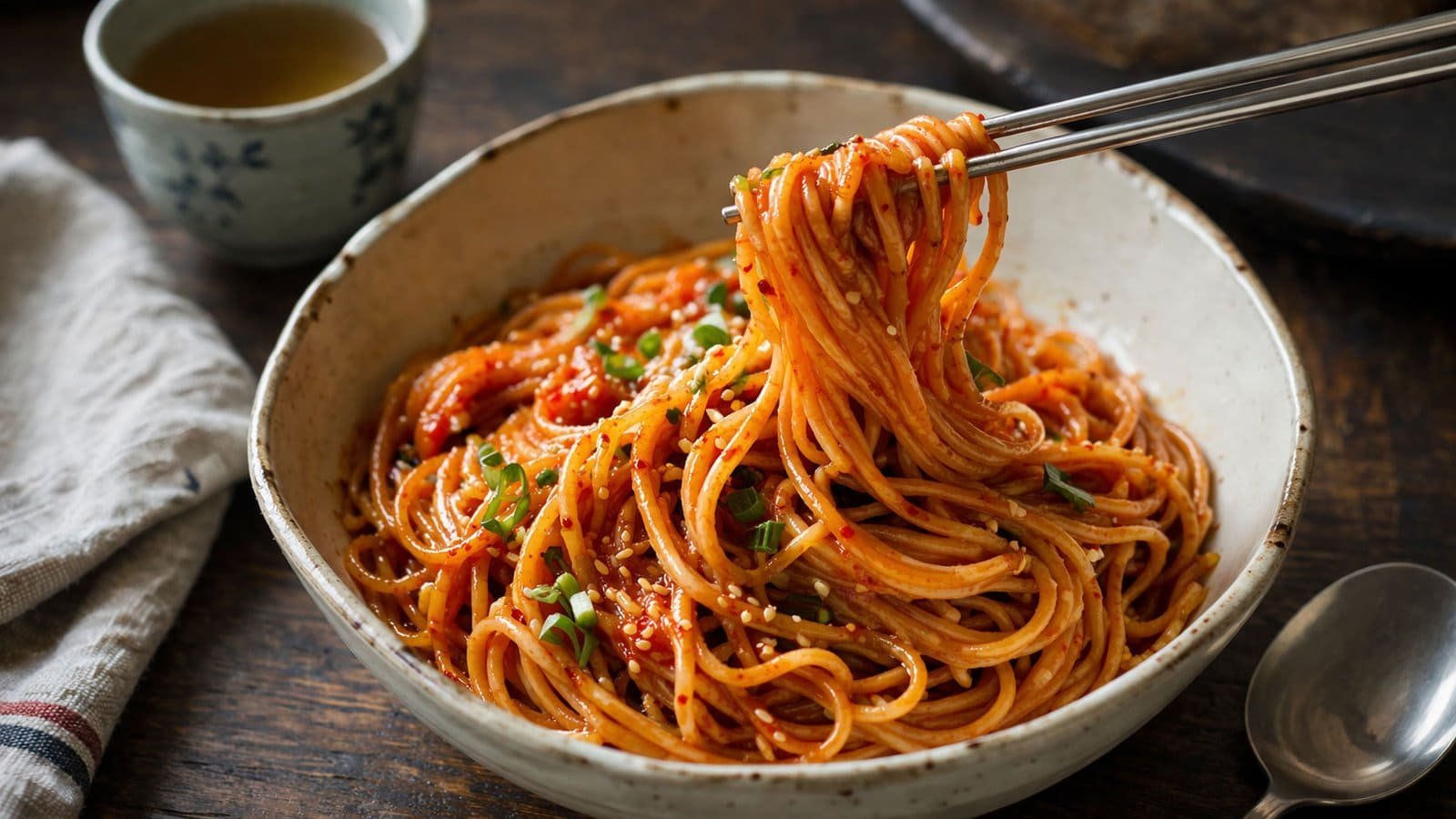
These Korean-inspired gochujang buttered noodles are quick, glossy, spicy, and built for nights when dinner needs to move faster than your patience.
View Recipe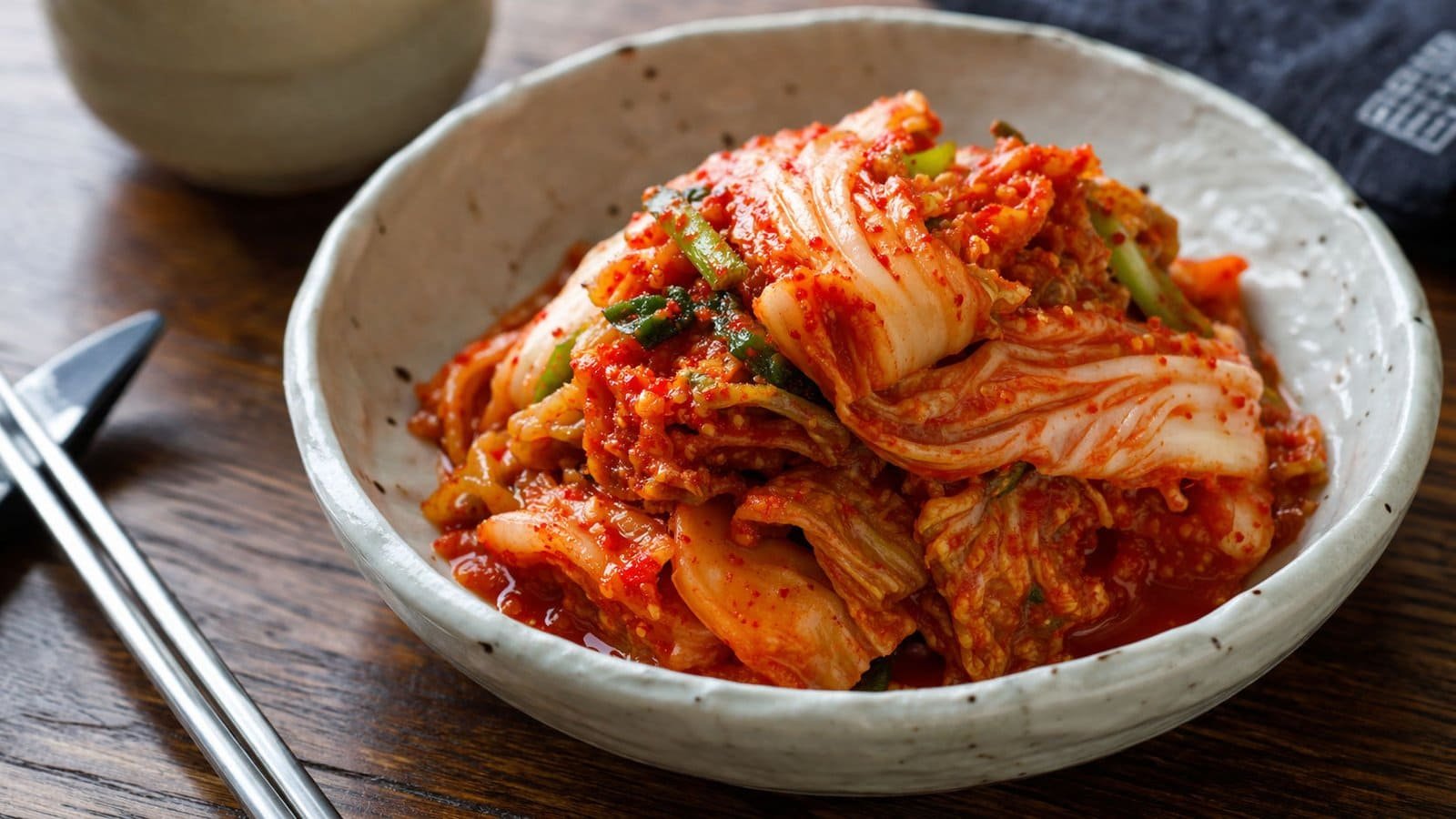
Kimchi (Tongbaechu-kimchi)
This classic South Korean kimchi recipe keeps the flavor authentic while making the process manageable for home cooks.
View Recipe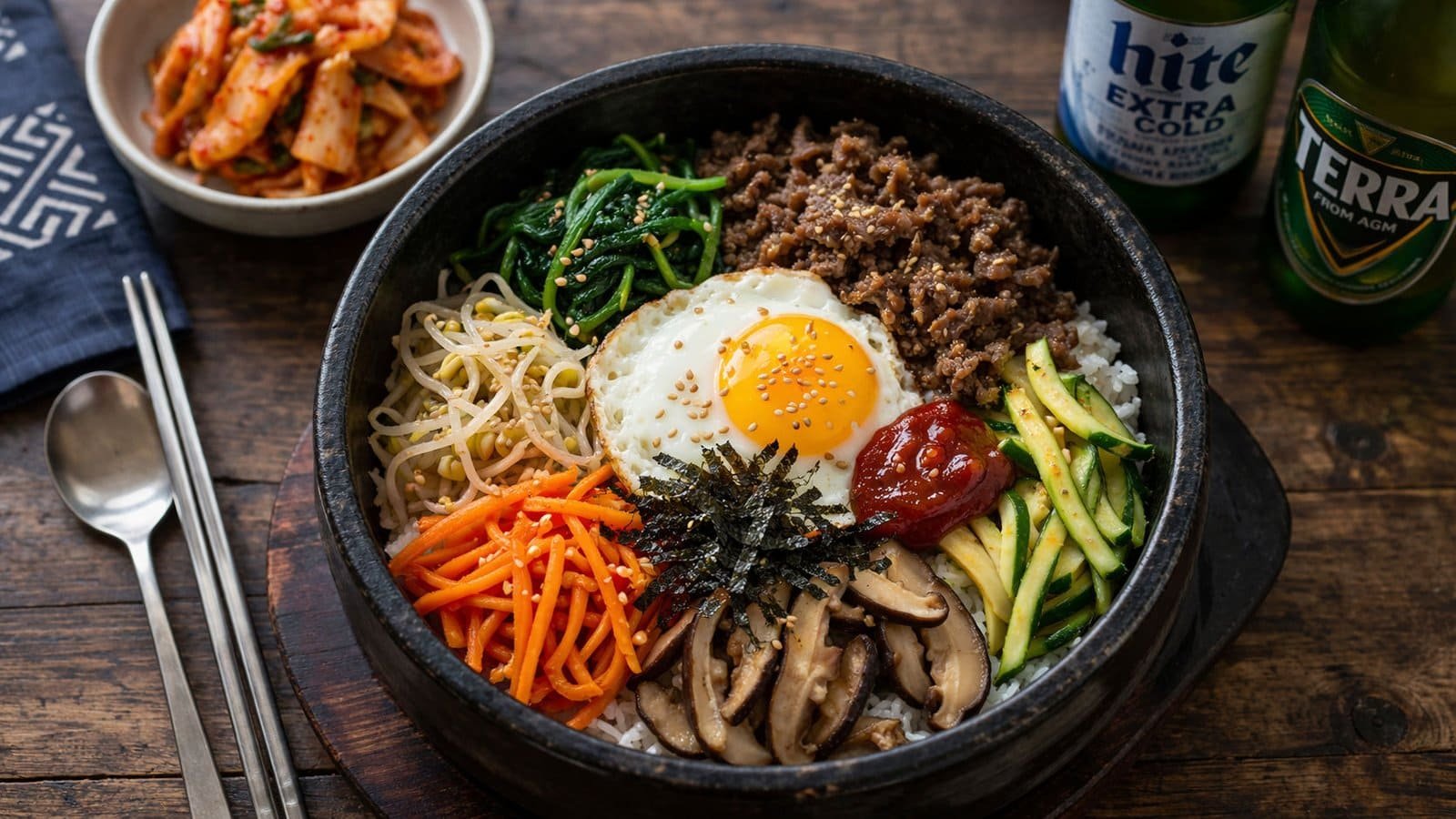
Bibimbap (Korean Mixed Rice With Meat)
Bibimbap is Korea’s great mixed bowl: warm rice, seasoned vegetables, beef, egg, and gochujang brought together in one very smart meal.
View Recipe